
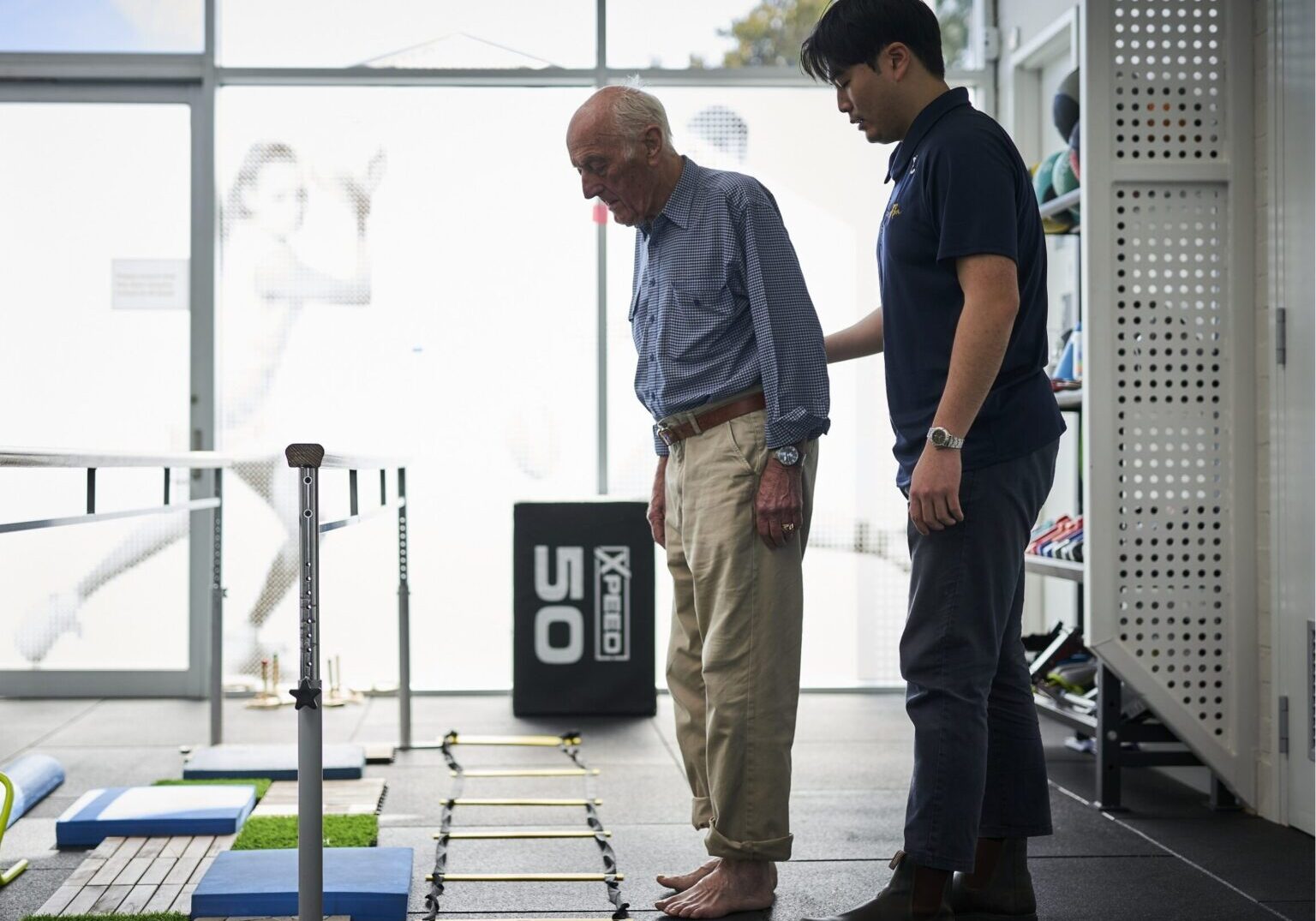
For a lot of people with neurological conditions, getting to a clinic is the hardest part of the appointment. We see people at our Eastwood clinic, in their homes across Adelaide, and by telehealth.
Here is how to work out which suits you.
When a home visit is better
When the goal involves your actual home. This is the strongest reason and it is often overlooked. If the goal is managing the back step, getting in and out of your shower, or transferring to your own bed, practising on a gym step and a plinth is a poor substitute. We can assess and train the real thing.
When travel is genuinely difficult. Fatigue is a major factor in most neurological conditions, and for many people the trip consumes the energy that should have gone into the session.
When falls risk makes travel unsafe.
When you need equipment or home setup assessed. Rails, ramps, bathroom equipment, furniture arrangement, trip hazards. This has to be done in the space.
When family or support workers need training. Far easier where the person will actually be doing it.
When a clinic session is better
When you need equipment the clinic has and the home does not. When the goal is community mobility and confidence outside the house. When space at home is genuinely limiting. And when getting out is itself a therapeutic goal, which for some people it is.
Most people use a mix, and the mix changes as they progress.
What telehealth genuinely works for
Better than people expect for: progressing and correcting a home exercise programme, education and coaching for the person and their family, reviewing progress between hands on sessions, problem solving something that has come up, and maintaining continuity when travel is not possible.
What it does not work for
Hands on treatment, obviously. Detailed initial assessment, where you need to see and feel movement properly. Anyone at significant falls risk exercising without someone present. And anyone who finds the technology itself a barrier, which is worth being realistic about.
The sensible pattern is an in person assessment first, then telehealth for review and progression, with in person sessions when something needs hands on attention or reassessment.
How funding works for each
NDIS. Home visits and telehealth are both fundable where they relate to your plan goals. Travel time may be claimable depending on your plan and location, and we will explain that clearly before we start rather than after.
Medicare. Chronic Disease Management plan sessions can be delivered by telehealth in defined circumstances. Your GP arranges eligibility.
Private health. Rebates for telehealth vary by fund and policy. Worth checking with your fund, and worth asking us if you are unsure.
DVA. Available for eligible veterans with a referral.
Where we travel
We see people at home across Adelaide. [CONFIRM: the actual suburbs or radius covered for home visits, and whether travel is charged. This is the most common question on a first call about home care and the answer should be explicit rather than requiring a phone call.]
Booking
Call 08 8331 2700 and tell us what you are dealing with and how hard it is to get to Eastwood. We will tell you honestly which format suits, and it is often a combination.
